UN PEACEKEEPERS KILLED IN LEBANON
Three UNIFIL Peacekeepers killed in southern Lebanon amid fourth week of escalation on the Israel-Hezbollah front.
By Cristina Matuozzi
April 04, 2026
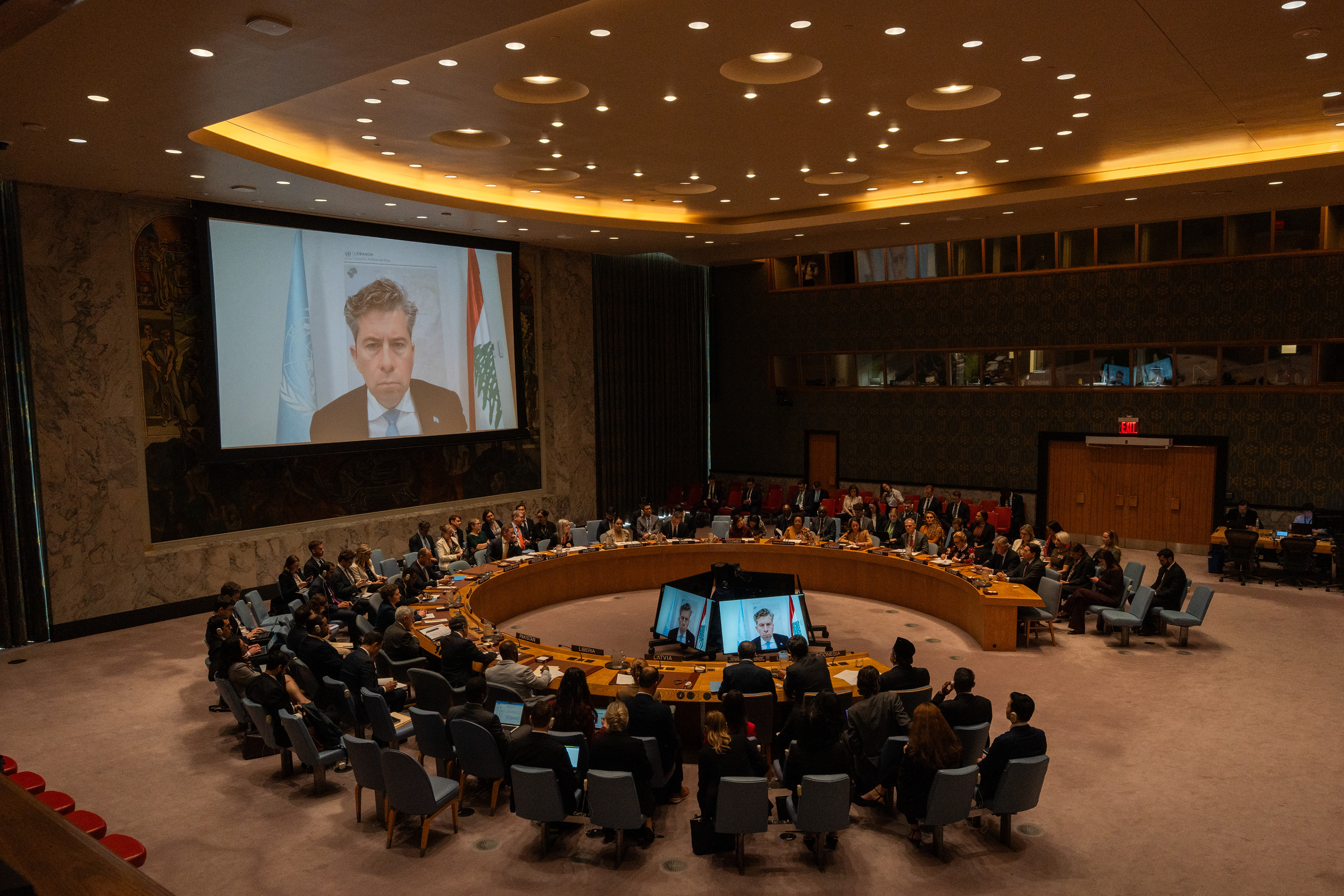
United Nations Security Council meeting convenes following deadly attacks on UNIFIL Peacekeepers on Tuesday, March 31, 2026 at UN HQ in New York, NY. Photo copyright: Cristina Matuozzi/Sipa USA
The United Nations Interim Force in Lebanon (UNIFIL) suffered three losses in just 24 hours in southern Lebanon this week, according to a UN report. The force had been engaged in its mandate to monitor the escalation of fighting along the border between Hezbollah, a Shiite militant and political group, and the Israel Defense Forces, which have recently breached the Lebanese border in a renewed ground invasion.
The first incident came on Sunday at a UNIFIL base in Taybeh, Nabatieh Governorate where one peacekeeper of the Indonesian contingent was killed. The UN statement detailing the attack noted “a projectile hit the mission’s base in Ett Taibe and exploded.”
A second incident followed, which killed two peacekeepers and injured two others, also of the Indonesian contingent, on Monday in Bani Haiyyan, Nabatieh, described by the UN as an “explosion that hit a UNIFIL logistics convoy, destroying their vehicle.”
The UN will conduct an investigation on the origins of the attacks, with Secretary-General Antonio Guterres saying in a post on X: “Attacks on peacekeepers are grave violations of international humanitarian law.”
The names of the fallen peacekeepers were published by UNIFIL as Major Zulmi Aditya Iskandar, First Sergeant Muhammad Nur Ichwan, and Corporal Farizal Rhomadon.
339 UNIFIL peacekeepers have been killed since the missions’ formation in 1978; the highest death toll of all UN peacekeeping forces.
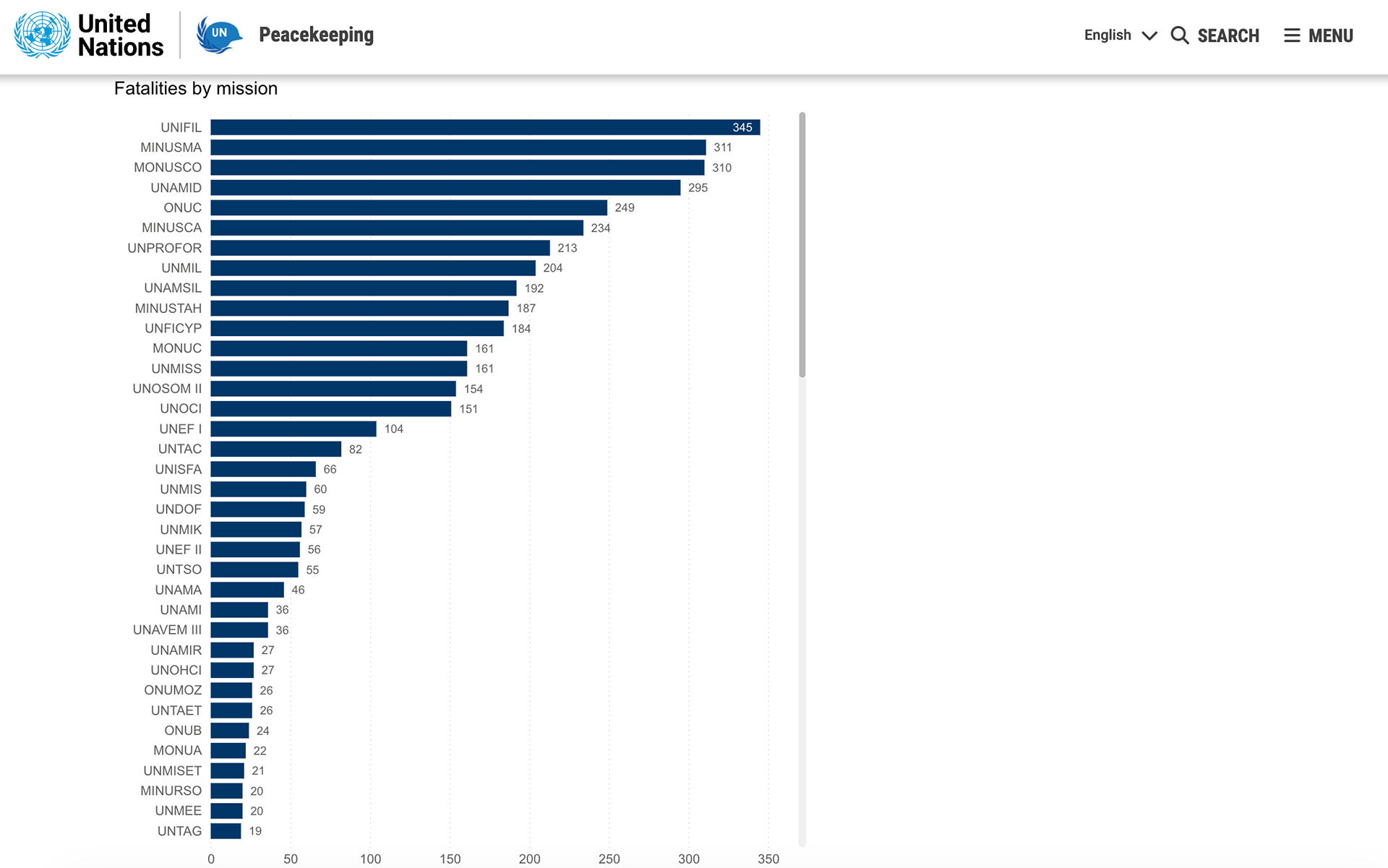
Data Visualization via UN Peacekeeping
The UN Security Council convened for an emergency meeting on Tuesday to condemn the attacks and repeat calls for deescalation through diplomacy. Under-Secretary-General for Peace Operations, Jean-Pierre Lacroix, condemned the attacks, asserting, “peacekeepers must never be a target.”
The Security Council was informed by Israeli Ambassador, Danny Danon, of a letter dated March 22, sent from the Israel Defense Forces to UNIFIL, which noted: “Hezbollah is exploiting the presence of UN positions in a manner that endangers UNIFIL personnel. We ask for temporary repositioning.”
“Lebanon has not taken sufficient action to address Hezbollah military presence. Lebanon needs to take real action. Until that happens, no one is safe. No one,” Danon added.
Indonesia’s Ambassador, Umar Hadi, demanded an investigation into the killings of the peacekeepers and rejected what he said were “excuses from Israel.”
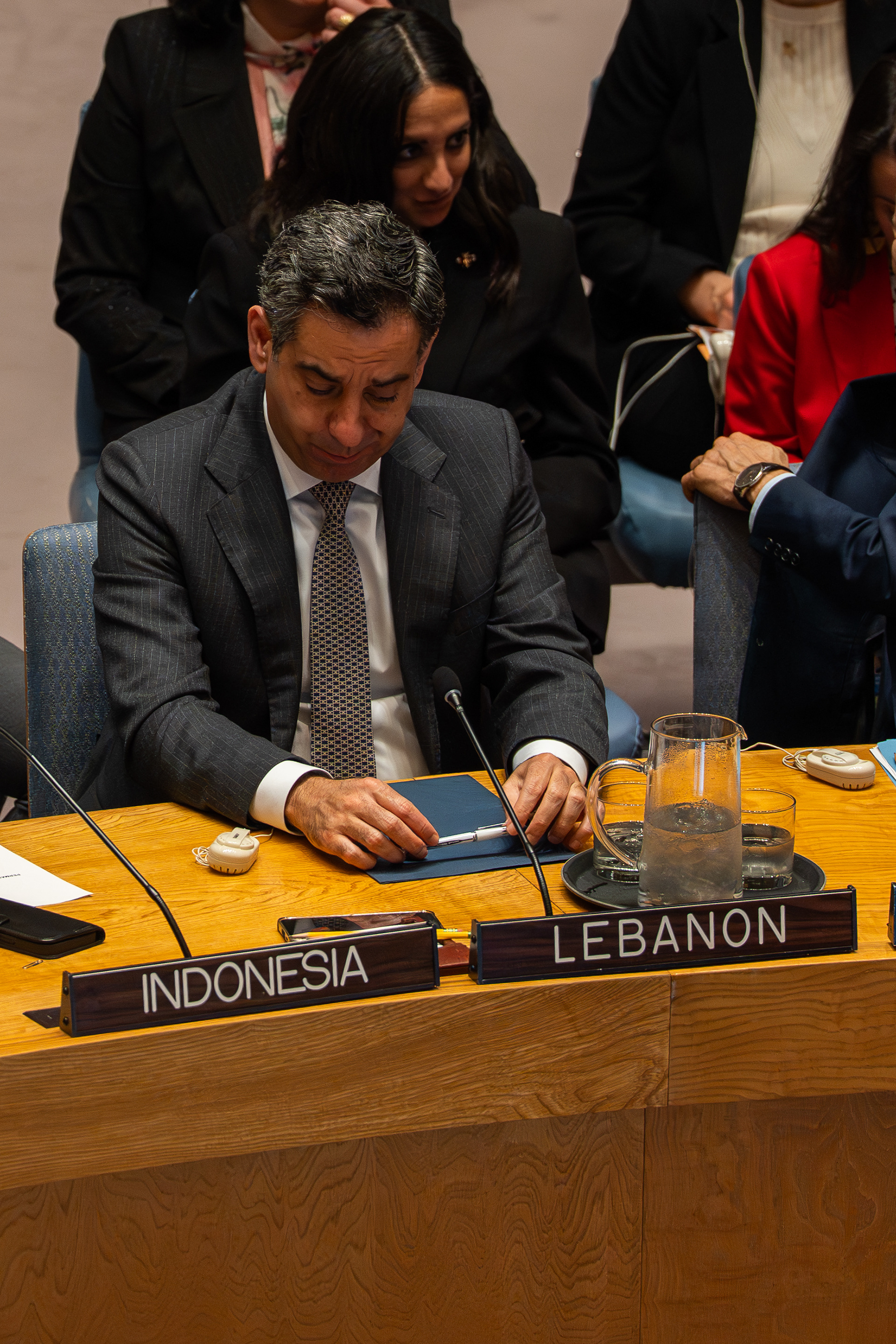
Lebanon’s UN Ambassador, Ahmad Arafa, at UN Headquarters in New York, NY on Tuesday, March 31, 2026. Photo copyright: Cristina Matuozzi/Sipa USA
Lebanese UN Ambassador, Ahmad Arafa, said:
“Israel has never respected the cessation of hostilities and has continued its violations of Lebanon’s sovereignty and territorial integrity and its deliberate attacks on civilians and civilian infrastructure. Meanwhile, Hezbollah unilaterally decided to enter into a war at a time when the Lebanese government was open to dialogue that could have led to sustainable political solutions and provided a framework for addressing outstanding issues.”
Arafa is referencing the latest round of clashes between Hezbollah and the IDF which reignited after Hezbollah, backed by Iran, fired rockets into northern Israel in retaliation for the assassination of Iran’s Supreme Leader, Ayatollah Ali Khamenei. The Ayatollah was killed by joint U.S.-Israeli airstrikes in Tehran on February 28.
Israel has responded to Hezbollah’s attacks with a ground invasion and aggressive bombing campaign which has killed 1,368 people as of April 3 and displaced over 1 million others through evacuation orders, according to the Lebanese Health Ministry. Recounting a recent visit to Lebanon, UN Secretary-General, Antonio Guterres, said in a press briefing: “the Gaza model must not be replicated in Lebanon.”
This latest conflict between Hezbollah and Israel follows closely behind the last in 2024, which was precariously ended by a ceasefire agreement. According to UNIFIL, the ceasefire conditions were violated by at least over 2,500 Israeli activities into southern Lebanon, rendering much of the South and Nabatieh governorates uninhabitable.
UNIFIL Spokesperson, Kandice Ardiel, in an interview with UN News following the loss of the peacekeepers, said: “We’ve seen a great deal of Israeli incursions into South Lebanon in different areas, including near our headquarters in Naqoura, where about a week or so ago, in past days, we had some very violent battles that we could hear taking place,”
Ardiel added, “Our headquarters here was impacted by bullets, by shrapnel. Rockets even impacted in our headquarters, so it was a very dangerous and volatile situation.”
Israeli Ambassador to the UN, Danny Danon, further blamed the peacekeepers’ death on Hezbollah during a press briefing ahead of the security council meeting. Pointing to a prepared map with alleged Hezbollah positions near a UNIFIL base from mid-March, Danon appeared to suggest previous positions indicate the latest attacks were carried out by Hezbollah. “…right next to the UN position, they place the launchers, putting the UN personnel in the line of fire.”
Ardiel told Reuters: "We invite them to share their evidence with our investigative team."
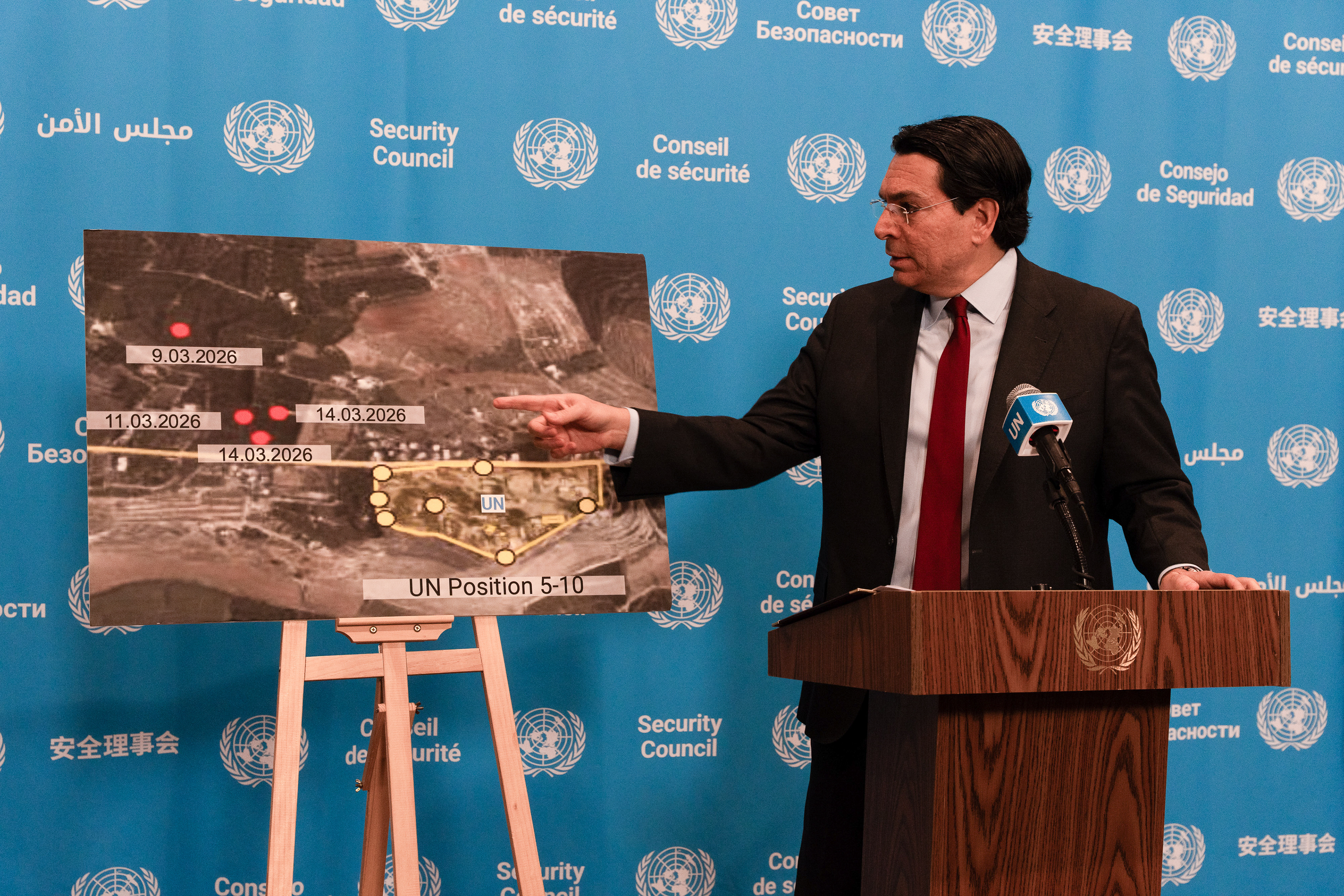
Israel’s UN Ambassador, Danny Danon, points to a map charging Hezbollah with the killing of UNIFIL Peacekeepers at UN Headquarters in New York, NY on Tuesday, March 31, 2026. Photo copyright: Cristina Matuozzi/Sipa USA
Mentions of recurring violations of UN Security Council Resolution 1701 punctured statements from all sides throughout Tuesday’s meeting. The resolution came after over one month of fighting between Hezbollah and Israel in 2006. It called for the immediate withdrawal of Israeli troops in southern Lebanon and cessation of hostilities from both sides, allowing the Lebanese Armed Forces to assume full control of its territory. While the agreement was largely implemented, outbreaks of fighting would continue to plague the border over two decades.
In August 2025, the United Nations Security Council voted to dissolve UNIFIL by the end of 2026, ceasing 48 years in operation and leaving border communities in Lebanon without the humanitarian aid, logistical support and record keeping UNIFIL would facilitate during periods of conflict.
Please visit summitpress.substack.com for more text reports by Cristina Matuozzi.